AskBio, acquired by Bayer for more than $2 billion in 2020, is enrolling patients for a new clinical trial focused on the therapy's effectiveness in adult patients with non-ischemic cardiomyopathy and heart failure.
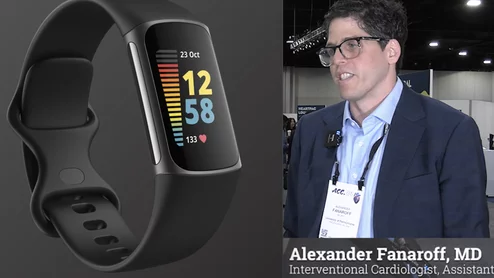
Alexander Fanaroff, MD, said the late-breaking BE ACTIVE clinical trial presented at ACC.24 offers a blueprint for how to get patients to be more physically active.
Stroke is typically seen as the biggest danger for patients after they receive an AFib diagnosis. This study, however, suggests heart failure could be an even bigger threat.
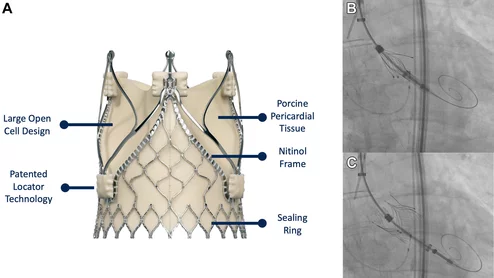
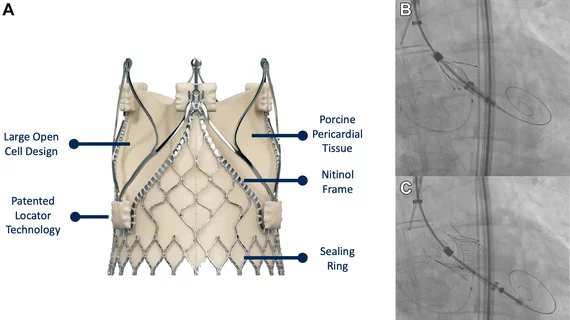
How have recent FDA approvals for Edwards Lifesciences and Abbott changed patient care? Andrew Rassi, MD, answered that question—and many more—in a new interview.
Kate Hanneman, MD, explains why many vendors and hospitals want to lower radiology's impact on the environment. "Taking steps to reduce the carbon footprint in healthcare isn’t just an opportunity," she said. "It’s also a responsibility."